(And How Twists Help the Body)
Yoga twists are often described as “detoxifying,” “cleansing,” or “wringing out the organs.” While those phrases are catchy, the real magic of twists goes much deeper than a quick metaphor. Twisting postures play a powerful role in spinal health, digestion, posture, breath capacity, and even nervous system regulation.
Let’s untangle what’s really happening when we rotate, spiral, and gently ring ourselves out on the mat.
Twists Support a Healthy, Mobile Spine
Your spine is designed to move in multiple directions: forward, backward, sideways, and rotationally. Twists target rotation, which is the least used spinal movement in daily life. Most of us move forward (looking at phones, driving, sitting at desks) but rarely rotate through the mid-back in a healthy, controlled way.
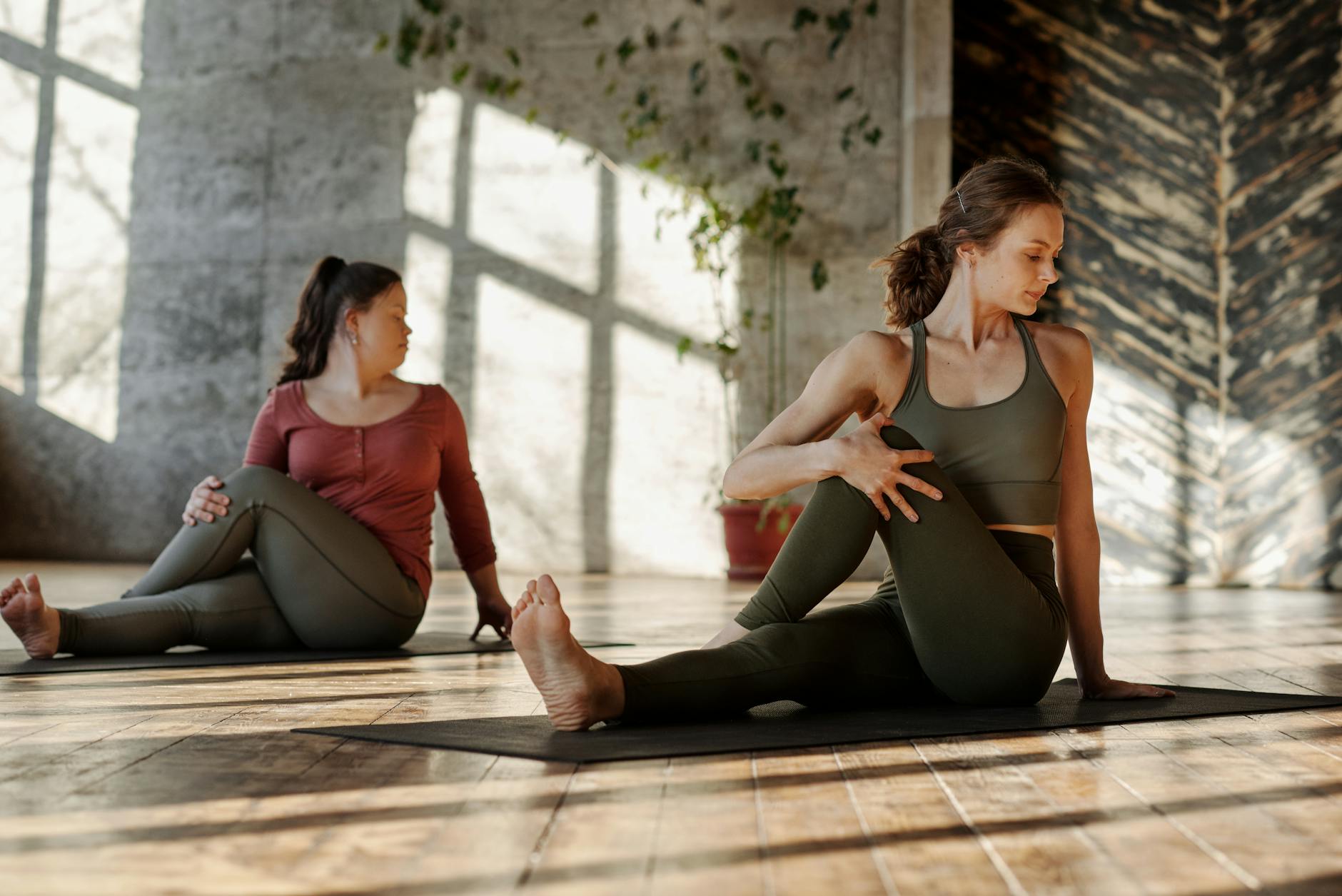
When we practice twists, we:
- Mobilize the thoracic spine (mid-back), which tends to get stiff
- Counteract slouching and rounded posture
- Improve overall spinal balance and coordination
A more mobile thoracic spine also reduces the tendency to overuse the lower back or neck for rotation, which can help prevent discomfort in those areas.
Think of twists as maintenance for the natural spiraling ability of your spine — something your body was built to do but modern life often limits.
Twists Wake Up the Core — Safely
Twisting postures gently engage the deep core muscles, especially the obliques and transverse abdominis. These muscles wrap around the torso like a supportive corset, stabilizing the spine and supporting healthy posture.
Unlike crunches or intense core work, yoga twists build functional strength. You’re not just tightening muscles — you’re teaching your body how to stabilize while moving through rotation. That skill translates into everyday activities like reaching, turning, lifting, and walking.
A balanced core means less strain on the lower back and more ease in daily movement.
Twists Can Support Digestion
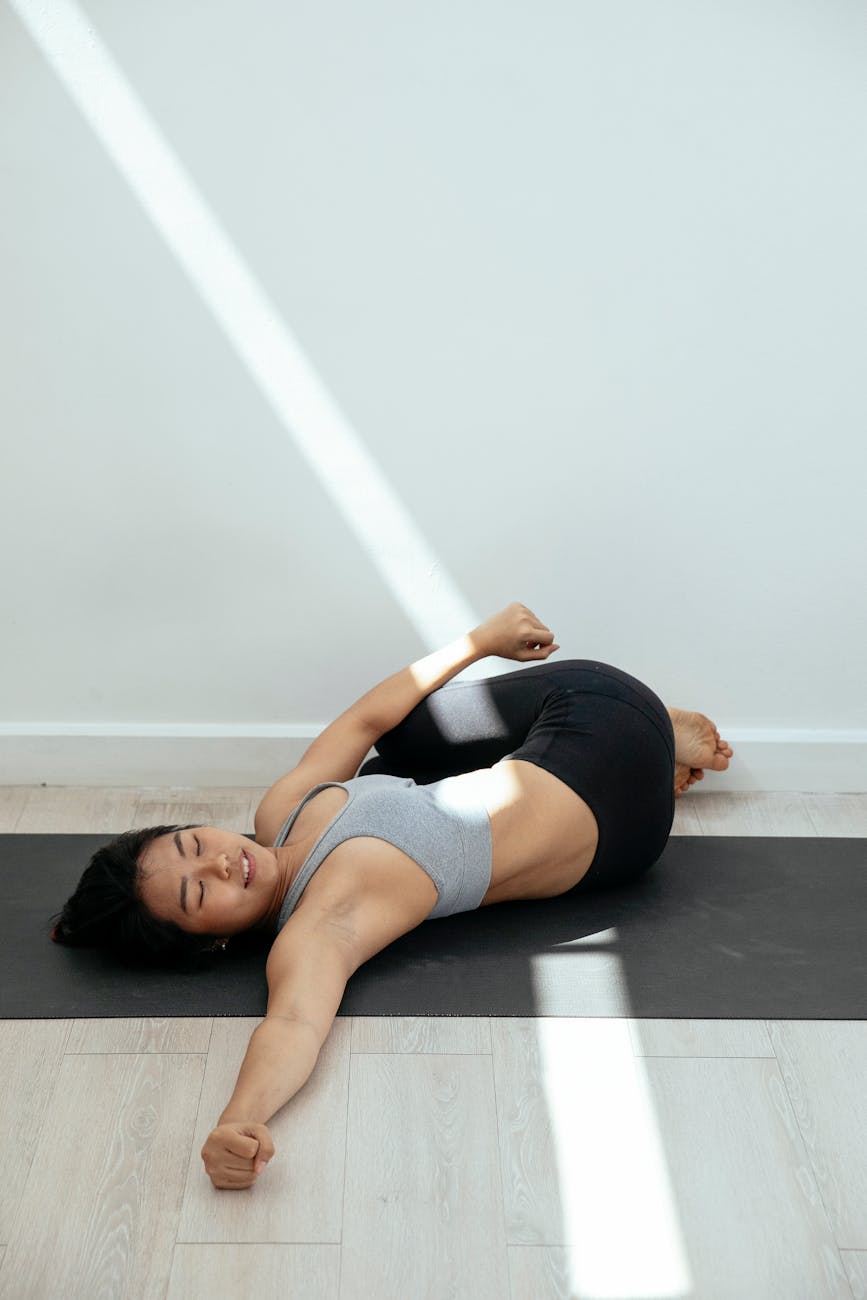
While twists don’t literally “squeeze toxins out” of your organs, they do create gentle compression and release through the abdominal area. This action can:
- Stimulate digestive organs
- Encourage circulation to the abdominal region
- Support natural digestive movement (peristalsis)
Many people notice that twisting poses help relieve feelings of sluggish digestion or bloating. Part of this benefit also comes from the parasympathetic nervous system activation that often accompanies slower, breath-focused twists — and digestion functions best when the body is in a relaxed state.
So the digestive support of twists is less about force and more about circulation, breath, and nervous system balance.
Twists Improve Breathing Capacity
The rib cage must move well for full, efficient breathing. Because the ribs attach to the thoracic spine, stiffness in the mid-back can limit how freely the lungs expand.
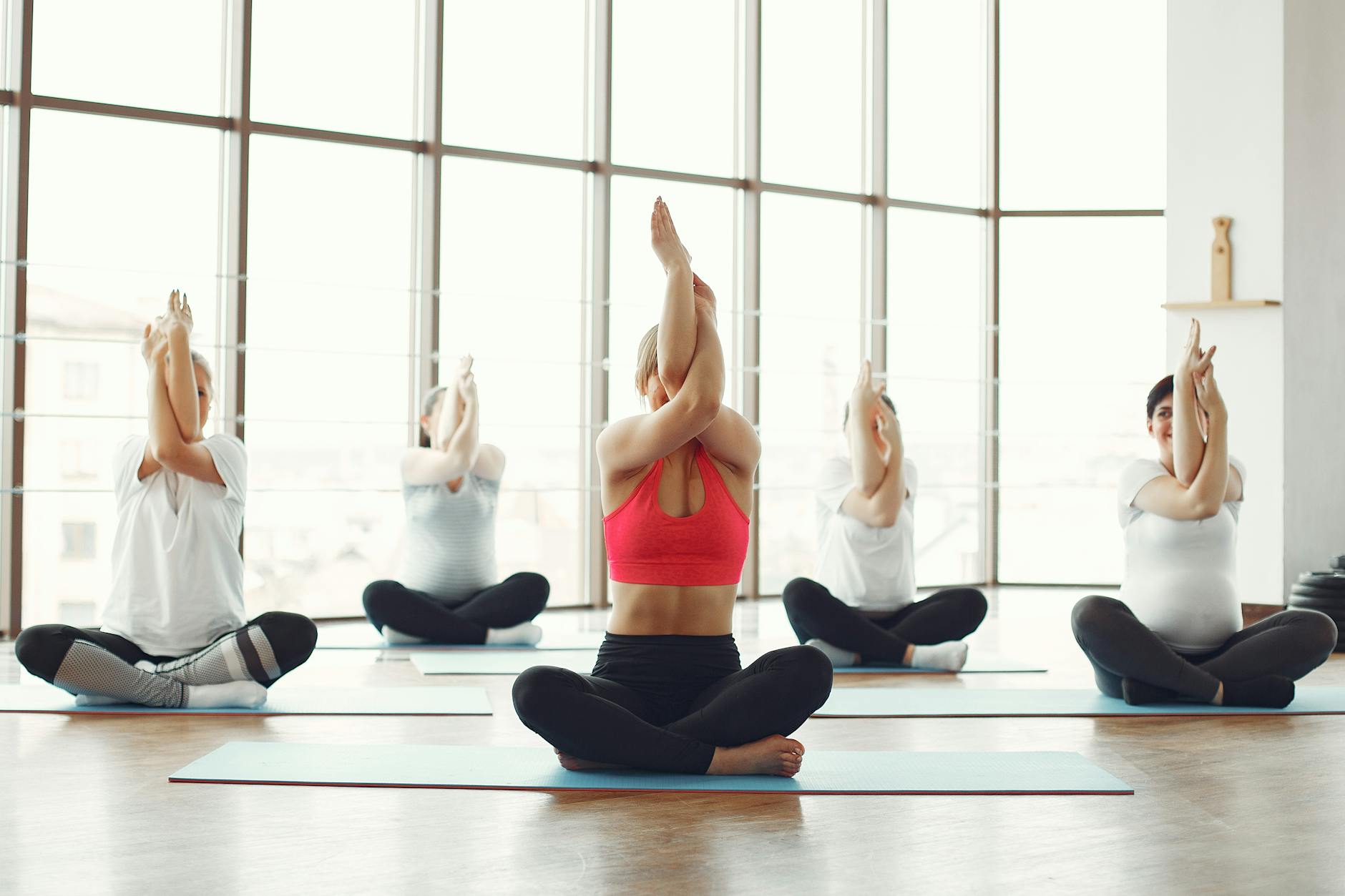
Twists help create mobility between the ribs and spine, which can:
- Increase rib cage elasticity
- Encourage fuller, more three-dimensional breathing
- Bring awareness to the back body breath
When you breathe into a twist, you may feel the breath expanding into areas that usually feel “stuck.” Over time, this can lead to easier breathing both on and off the mat.
Twists Help Release Built-Up Tension
We often store tension in the shoulders, upper back, and waist. Twisting movements gently stretch the muscles along the spine and across the back body, including:
- Rhomboids
- Erector spinae
- Obliques
- Muscles between the ribs
Because many twists are practiced with steady, slow breathing, they also signal the nervous system that it’s safe to soften. This combination of muscular release and breath awareness can feel deeply relieving, especially after long periods of sitting or stress.
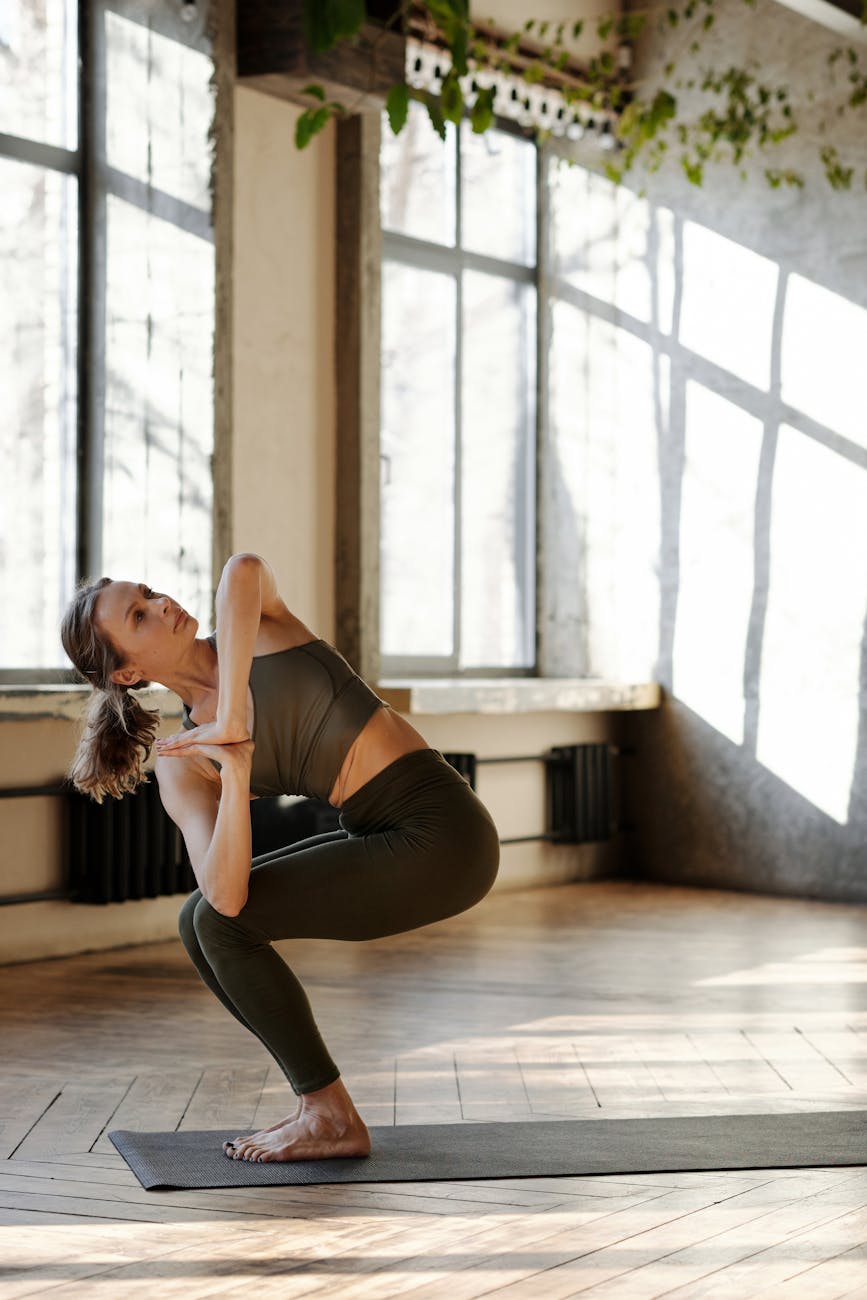
Twists Teach Mindful Movement
Twists require coordination: grounding through the hips or legs, lengthening through the spine, and rotating without collapsing. This builds body awareness and control, encouraging you to move from a place of intention rather than momentum.
They also remind us of an important yoga principle: length before depth. We grow tall first, then rotate. This mindful sequencing protects the spine and reinforces healthy movement patterns we can carry into everyday life.
A Gentle Reminder About Safety
Twists should feel spacious, not forced. The rotation ideally comes from the mid-back, not by wrenching the neck or lower back. Moving with the breath and keeping length in the spine helps maintain safety and effectiveness.
People with certain spinal conditions, disc injuries, or during pregnancy may need to modify or avoid deep twists. When in doubt, softer, open twists (instead of deep, closed ones) are often a safer choice.

The Takeaway
Twists in yoga are not just symbolic “cleansing” shapes — they are functional, intelligent movements that support spinal mobility, core stability, digestion, breath, and nervous system balance. They help us move through life with more ease, resilience, and awareness.
So the next time you spiral into a twist, remember: you’re not just turning your body — you’re restoring one of its most essential and natural movements.
Keep Exploring Your Yoga Journey 🌿
Looking for more ways to grow your practice? Check out these resources:
🎥 Watch More on YouTube:
30 Minute Beginner’s Hatha Yoga
20 Minute Yin Yoga for Low Back Relief
5 Minute Yoga Break You Can Do at Your Desk
📖 Read More on the Blog:
- How to Stay Consistent With Your Yoga Practice
- How to Start a Home Online Yoga Practice (Even in a Small Space)
- Yoga vs. Stretching: What’s the Difference?
✨ Want weekly yoga tips, guided practices, and inspiration delivered to your inbox?
👉 Subscribe to my newsletter here:
Let’s keep practicing, learning, and growing together—on and off the mat. 💙


Leave a reply to 10 Minute Morning Yoga Flow to Boost Energy and Start Your Day Right ☀️ – Allison Lubben Yoga Cancel reply