When I first unrolled a yoga mat, I thought the practice was about flexibility, strength, and achieving “the pose.” I looked around the room at people folding themselves gracefully forward or balancing effortlessly on their hands and immediately felt a wave of comparison rise inside me. My inner dialogue sounded something like this: “Why can’t I do that? Shouldn’t I be further along? Am I not good at yoga?”
What I wish I knew when I started yoga is this: drop the ego.
It doesn’t matter how far along you are in your practice. It doesn’t matter if you can’t touch your toes or if balancing on one foot feels impossible. Yoga is not about forcing yourself into the “perfect” posture. It’s about presence, patience, and compassion—for yourself and for others.
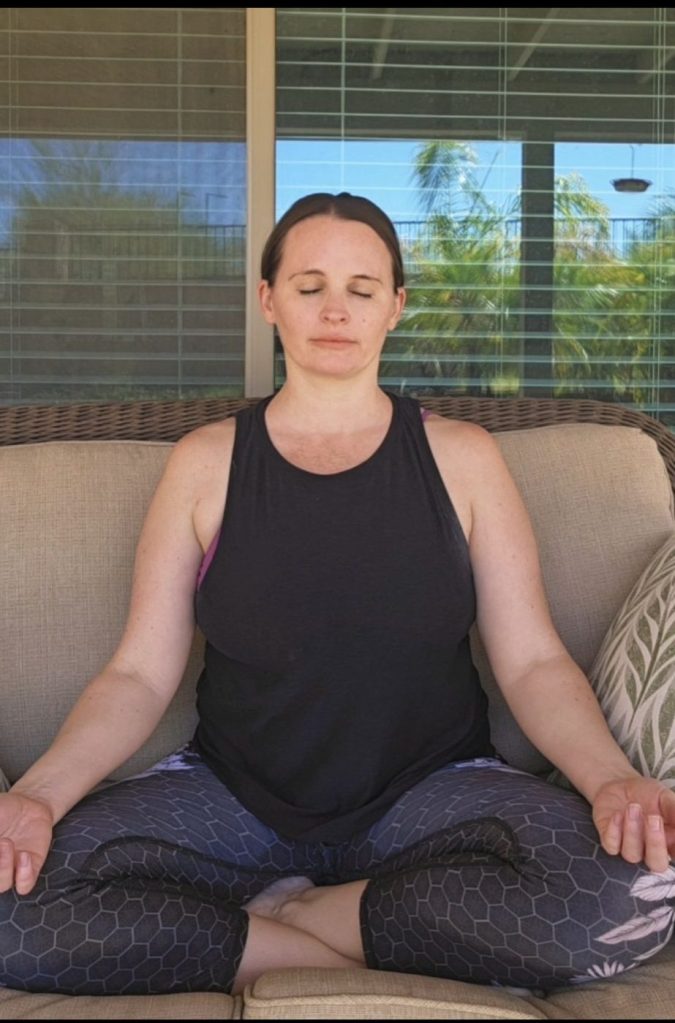
Drop the Ego in Yoga
In yoga philosophy, the ego isn’t just pride; it’s the part of us that clings to identity, achievement, and comparison. When I began, my ego wanted to prove something. I thought, if I can hold crow pose or get into a deep backbend, then I’ll be a real yogi.
But yoga quickly taught me that the mat reflects back whatever is happening inside. If I came with judgment, I left with judgment. If I pushed too hard, my body pushed back with soreness or injury. The more I clung to the idea of “looking good” in poses, the more disconnected I felt from the real practice.
Over time, I realized that yoga isn’t about competition—especially not with yourself. The moment you start comparing, you lose sight of the breath, the awareness, and the inner peace that yoga offers.
It’s Not About the Pose
Yes, yoga includes physical postures, but they are only one small part of the whole practice. The deeper purpose is to connect breath, body, and mind. When I shifted my focus from How does this pose look? to How does this pose feel?, everything changed.
For example, I used to get frustrated in forward folds because I couldn’t flatten my chest to my thighs. I would strain, pull, and force myself lower, thinking that was the goal. But then a teacher gently reminded me: “It doesn’t matter how close you get to the ground. What matters is that you’re breathing, relaxing, and being present.”
That was a turning point. I began to honor where my body was on any given day. Sometimes I felt open and spacious; other days I felt tight and heavy. Both were okay. Both were yoga.
Dropping Judgment
We live in a culture that loves results and milestones. Yoga, however, invites us to practice non-judgment and non-attachment. This is much easier said than done, especially when surrounded by people who seem to flow with ease.
But here’s the truth: every person in that room is working through their own struggles. The one who can stand on their hands might be battling anxiety. The one who folds forward easily might carry deep emotional tension in their heart. We can’t see the whole story.
Dropping judgment means letting go of the story that you’re “not good enough” or “not advanced enough.” It also means not glorifying poses as badges of honor. Your worth is not determined by whether you can do a headstand—it’s found in your willingness to show up, breathe, and be present.
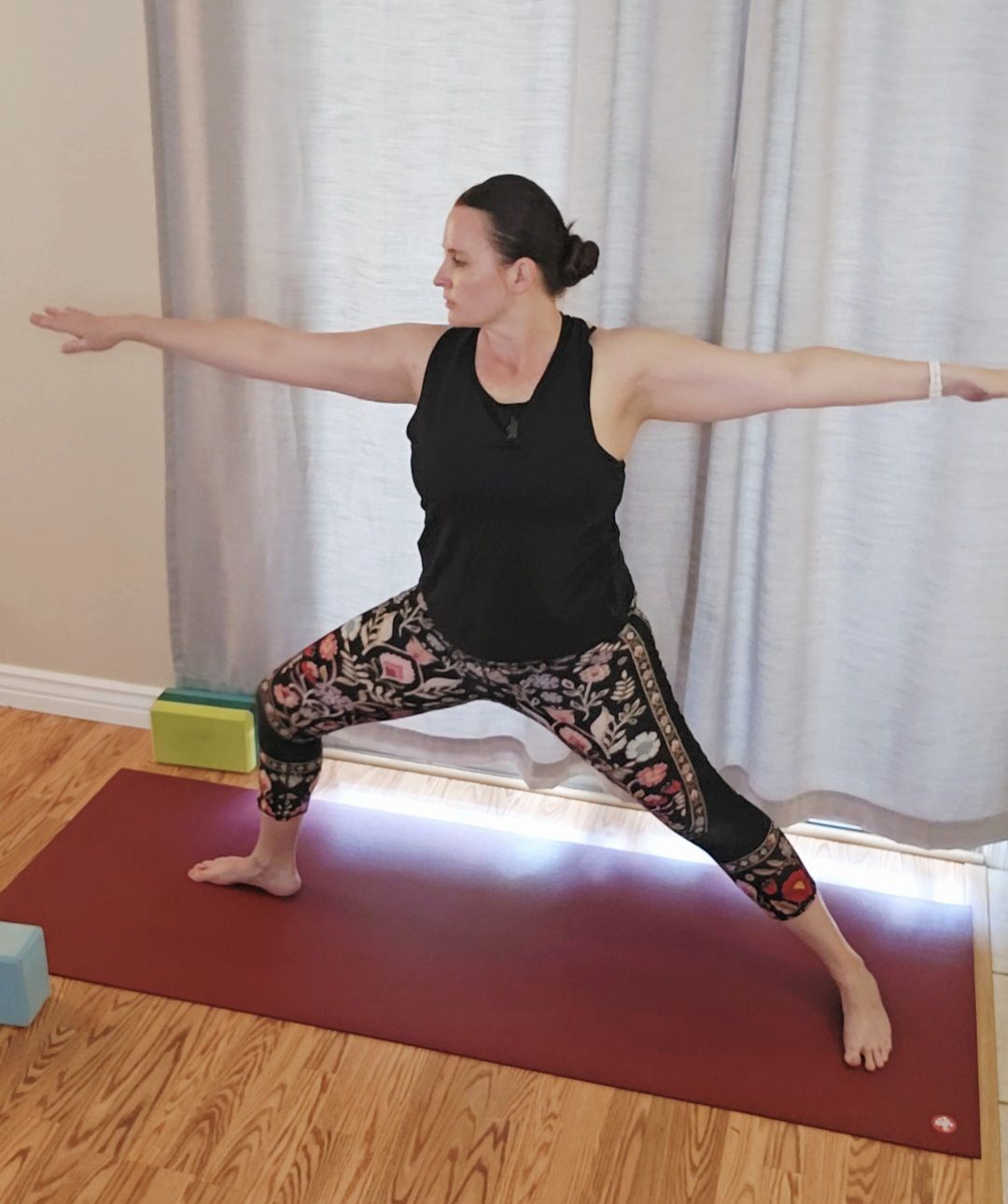
The Gentle Reminder I Wish I Had
If I could go back to those first yoga classes, I’d whisper to myself:
- Breathe first, move second. The breath is the true foundation of yoga, not the shape of your body.
- Honor your body today. It may feel different tomorrow, and that’s okay.
- Progress is not linear. Some days you’ll feel strong; other days you’ll wobble. Both are valid.
- Let the practice be enough. You don’t need to perform for anyone, not even yourself.
The Gift of Letting Go
When I let go of the ego, yoga became more spacious, more joyful, and more sustainable. I stopped measuring my practice by poses and instead measured it by how I felt afterward—more grounded, more open, more at peace.
And here’s the beautiful thing: when you release the pressure to “achieve” in yoga, your body often opens naturally over time. Strength and flexibility build with consistency, but without the heavy weight of judgment.
Final Thought
What I wish I knew when I started yoga is that it’s a lifelong journey, not a race. The postures are simply doorways into presence. The real practice is learning to soften, to listen, and to love yourself exactly where you are.
So if you’re just beginning—or even if you’ve been practicing for years but still feel the tug of comparison—remember this: drop the ego. Breathe. Be kind to yourself. That’s yoga.
If this post resonated with you, I’d love for you to stay connected. You can explore more reflections like this on my blog, and if you’re looking to deepen your practice, check out my YouTube channel where I share free yoga and meditation videos.
Don’t forget to subscribe to my website so you’ll be the first to know about new classes, blog posts, and guided practices designed to help you move, breathe, and reconnect.


Leave a reply to Why an Evening Yoga Practice Can Transform Your Sleep and Stress Levels – Allison Lubben Yoga Cancel reply