When most people think of yoga, images of flowing poses, deep stretches, and graceful movement often come to mind. But at the heart of yoga lies something even more essential: the breath. In fact, the word yoga itself is often translated as “union”—and pranayama, or conscious breath control, is one of the primary ways we connect body, mind, and spirit.
For beginners, learning to breathe with awareness can feel just as transformative as mastering a new posture. Breath is more than just the background to your yoga practice; it’s the anchor, the guide, and the bridge between your physical body and your inner awareness.
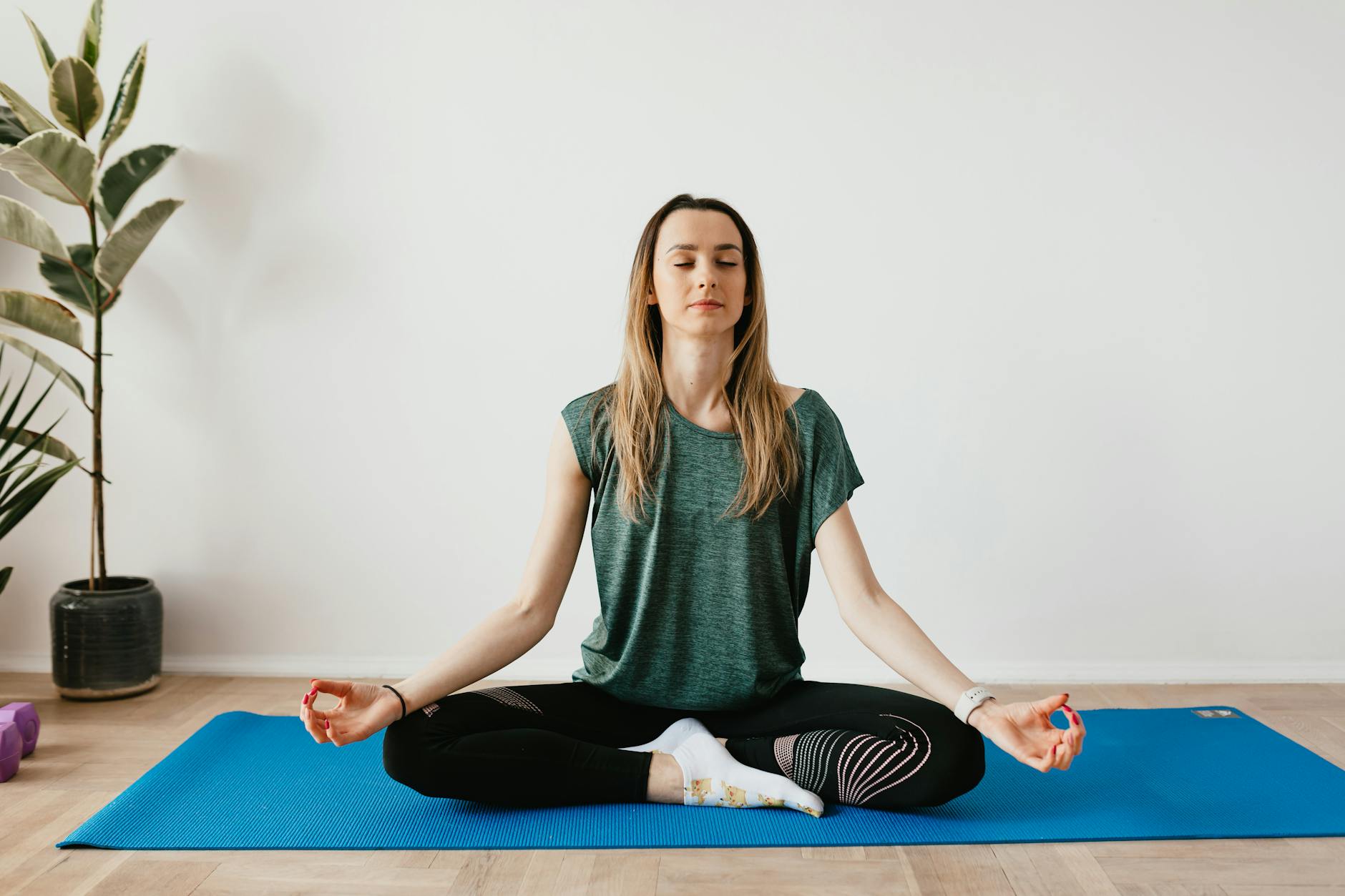
What is Pranayama?
Prana means life force or vital energy, and ayama means extension or control. Together, pranayama is the practice of guiding and expanding the breath to increase energy, calm the mind, and deepen presence.
Breath is unique—it is both involuntary and voluntary. We breathe automatically, but we can also consciously change how we breathe. This makes pranayama a powerful tool for self-awareness, emotional regulation, and overall well-being.
Why Breath is Central in Yoga
Breath is more than oxygen exchange; it’s a mirror of your state of being. Shallow, rapid breathing often reflects stress or tension, while slow, deep breathing signals relaxation and safety.
Here’s why the breath matters so much in yoga:
- Bridges Mind and Body – Coordinating movement with breath creates flow, grounding you in the present moment.
- Supports Nervous System Regulation – Slow breathing activates the parasympathetic nervous system, reducing stress and promoting calm.
- Enhances Energy Levels – Conscious breathing techniques can increase vitality and mental clarity.
- Deepens Postures – Breath helps you ease into poses safely, softening tension and expanding flexibility.
- Cultivates Awareness – By focusing on breath, you strengthen concentration and mindfulness both on and off the mat.

Simple Pranayama Techniques for Beginners
You don’t need to practice advanced techniques to benefit from pranayama. Even a few minutes of mindful breathing can shift how you feel in your body and mind. Here are three beginner-friendly practices you can explore at home.
1. Dirga Pranayama (Three-Part Breath)
This foundational breath teaches you how to fully expand the lungs and calm the mind.
- Sit comfortably or lie on your back.
- Inhale slowly into your belly, then expand into your ribs, and finally fill your chest.
- Exhale in reverse order: chest, ribs, belly.
- Continue for 5–10 rounds.
This breath brings awareness to your entire respiratory system and creates a deep sense of grounding.
2. Ujjayi Breath (Victorious Breath)
Often used in vinyasa classes, Ujjayi breath creates heat and focus.
- Inhale through your nose.
- Exhale through your nose while slightly constricting the back of your throat, creating a gentle ocean-like sound.
- Maintain steady inhales and exhales.
This breath helps you stay present during movement and supports endurance.
3. Nadi Shodhana (Alternate Nostril Breathing)
A balancing breath that calms the nervous system and restores clarity.
- Sit in a comfortable seat.
- Use your right thumb to close your right nostril and inhale through the left.
- Close your left nostril with your ring finger, release your right nostril, and exhale through the right.
- Inhale through the right nostril, close it, and exhale through the left.
- Continue for several rounds.
This technique balances the left and right hemispheres of the brain, encouraging mental harmony.
Tips for Practicing Pranayama at Home
- Start Small: Just 3–5 minutes a day can have noticeable effects.
- Consistency Matters: Practice regularly, even if briefly, to build awareness.
- Create a Quiet Space: Sit somewhere free of distractions to help focus.
- Pair with Movement: Use pranayama before or after yoga poses to deepen your practice.
- Listen to Your Body: If you ever feel lightheaded, return to natural breathing.
Breath as a Lifelong Teacher
The beauty of pranayama is that it doesn’t require special equipment or a certain level of flexibility—you carry your breath with you everywhere you go. Over time, cultivating awareness of breath becomes a tool you can use during stressful meetings, before sleep, or anytime you need to return to center.
For beginners, exploring pranayama opens the door to one of yoga’s greatest gifts: the ability to find peace and presence within yourself.
So next time you step on your mat—or even as you sit reading this—pause, close your eyes, and take a deep breath. Notice how even one conscious inhale and exhale can shift how you feel. That is the power of pranayama.
Keep Exploring Your Yoga Journey 🌿
If you enjoyed learning these beginner pranayama techniques, here are more resources to support your practice:
🎥 More Videos on YouTube:
- Beginners Yoga Flow | Full Body | 20 Min
- 30 Min Beginner Yoga Hatha
- ✨ 20-Minute Yoga for Low Back Pain Relief | Gentle Hatha Practice ✨
📖 More Blog Posts to Read:
- 6 Essential Yoga Props for Beginners (and How to Use Them)
- What Is Yoga, Really? – A Beginner’s Guide to the Mind-Body Practice
- 6 Simple Yoga Poses for Beginners at Home
✨ Bookmark this page or share it with a friend who’s ready to begin their yoga journey.
✨ Want weekly yoga tips, guided practices, and inspiration delivered to your inbox?
👉 Subscribe to my newsletter here
Let’s keep practicing, learning, and growing together—on and off the mat. 💙


Leave a reply to 5 Journal Prompts for a Grounded Thanksgiving – Allison Lubben Yoga Cancel reply