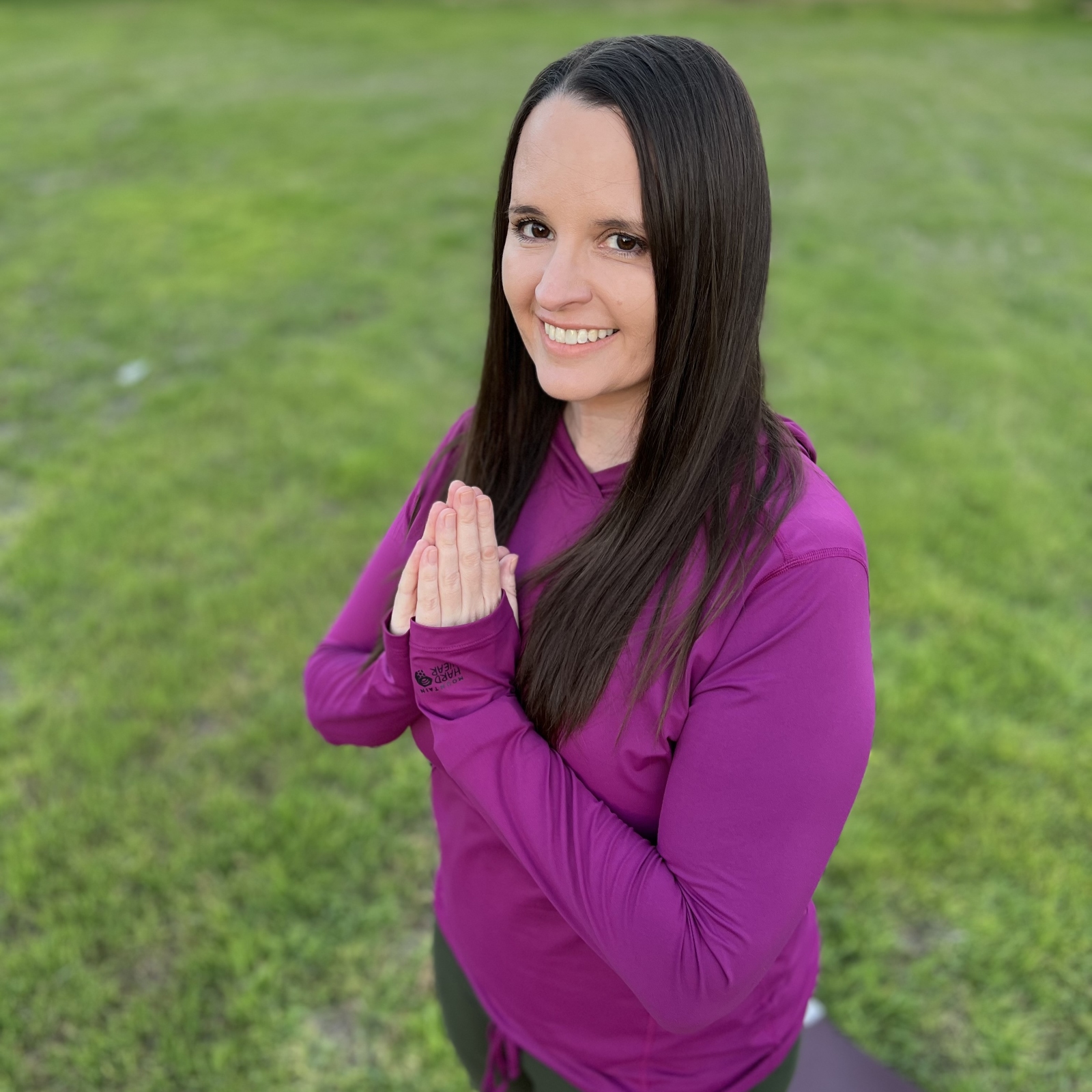
In today’s wellness-driven world, yoga is everywhere—from Instagram feeds and fitness studios to online platforms offering classes of every kind. But beyond the trendy leggings and curated poses, a deeper question arises: What is yoga, really? If you’re new to the practice, you might be surprised to learn that yoga is much more than stretching or a workout. It’s a holistic mind-body practice that has been guiding people toward balance and inner peace for thousands of years.
This beginner’s guide will help you understand what yoga truly is, where it comes from, and how to get started on your own journey.
The True Meaning of Yoga
The word yoga comes from the Sanskrit root yuj, meaning to yoke or to unite. At its core, yoga is about creating union—between the body and breath, the mind and spirit, the individual and the universe.
It’s a system of practices designed to help you live with awareness, presence, and compassion.
Traditionally, yoga isn’t just about the physical postures (called asanas). It’s a way of life that includes ethical principles, breathwork (pranayama), meditation, and inner inquiry. The physical movements are just one part of a much larger philosophy aimed at cultivating peace, self-discipline, and clarity of mind.
A Brief History
Yoga has ancient roots in India, dating back over 5,000 years. It was first mentioned in sacred texts like the Vedas and later expanded upon in the Upanishads, the Bhagavad Gita, and Patanjali’s Yoga Sutras—a foundational text outlining the eightfold path of yoga. These teachings describe yoga as a journey toward enlightenment and liberation (moksha).
Over time, yoga evolved into many different schools and styles, some more meditative and others more physical. In the West, the physical practice gained popularity in the 20th century, often emphasizing fitness and flexibility. While this can be a great entry point, it’s helpful to remember that yoga’s deeper purpose is inward transformation.
The 8 Limbs of Yoga
According to the Yoga Sutras, the path of yoga consists of eight interconnected limbs:
- Yamas – Ethical guidelines (e.g., non-violence, truthfulness)
- Niyamas – Personal observances (e.g., cleanliness, contentment)
- Asana – Physical postures to build strength and flexibility
- Pranayama – Breath control to calm the nervous system
- Pratyahara – Turning inward and withdrawing from distractions
- Dharana – Concentration or focused attention
- Dhyana – Meditation or contemplation
- Samadhi – A state of blissful absorption and unity
Why Practice Yoga?
Yoga offers benefits that go far beyond physical fitness. Some of the most common reasons people start (and stick with) yoga include:
- Stress Relief: Deep breathing and mindful movement reduce cortisol levels and promote relaxation.
- Improved Flexibility & Strength: A regular practice supports healthy muscles and joints.
- Mental Clarity: Meditation and breath awareness improve focus and reduce anxiety.
- Self-Awareness: Yoga encourages introspection and acceptance.
- Community: Practicing with others can foster connection and shared purpose. Join our community by joining the group, via the Insight Timer app or my Facebook Page Group
Ultimately, yoga is a tool to help you live more consciously and fully—on and off the mat.
Getting Started
If you’re new to yoga, here are a few tips to begin with confidence:
- Start Slow: Begin with beginner’s courses, found here on my YouTube channel
- Focus on Your Breath: Your breath is your best teacher. Let it guide your movements and help you stay present.
- Listen to Your Body: Yoga isn’t about pushing or forcing. It’s about tuning in and honoring where you are each day.
- Be Consistent: Like any practice, yoga yields the most benefits when done regularly, even if just for 10–15 minutes a day. You can find some shorter sessions here
- Stay Open: Yoga can be both deeply calming and surprisingly emotional. Let your yoga practice evolve naturally and notice how it shifts over time.
Yoga Is for Every Body
One of the most beautiful aspects of yoga is that it’s inclusive and adaptable. You don’t need to be flexible, fit, or spiritual to begin. Yoga meets you exactly where you are—and invites you to come home to yourself, just as you are.
Whether you’re seeking physical wellness, mental clarity, emotional healing, or spiritual connection, yoga offers a path inward. And while the journey may start on your mat, its gifts extend into every corner of your life.
So the next time someone asks, “What is yoga?”—you’ll know that it’s more than a practice. It’s a way of being, a path of remembering who you really are.
Ready to Begin?
Find a quiet space, roll out your mat, take a deep breath—and start exploring. Your yoga journey starts now.
As you continue your journey, I invite you to stay inspired:
💌 Subscribe for mindful blog posts,
🎥 Join me on YouTube,
🧘♀️ And experience live connection through my free online yoga classes on Insight Timer. You can find my live schedule here


Leave a reply to 6 Simple Yoga Poses for Beginners at Home – Allison Lubben Yoga Cancel reply