In today’s fast-paced, always-on world, deep rest can feel like a luxury we can’t afford. But what if there was a way to rest deeply while staying consciously aware?
Welcome to Yoga Nidra, also known as “yogic sleep.” This ancient practice is growing in popularity as more people discover its profound ability to calm the nervous system, support healing, and offer clarity of mind — all while lying down in complete stillness.
Whether you’re new to yoga or simply looking for a new way to unwind, Yoga Nidra is a powerful entry point into a more restful, centered way of being.
What Is Yoga Nidra?
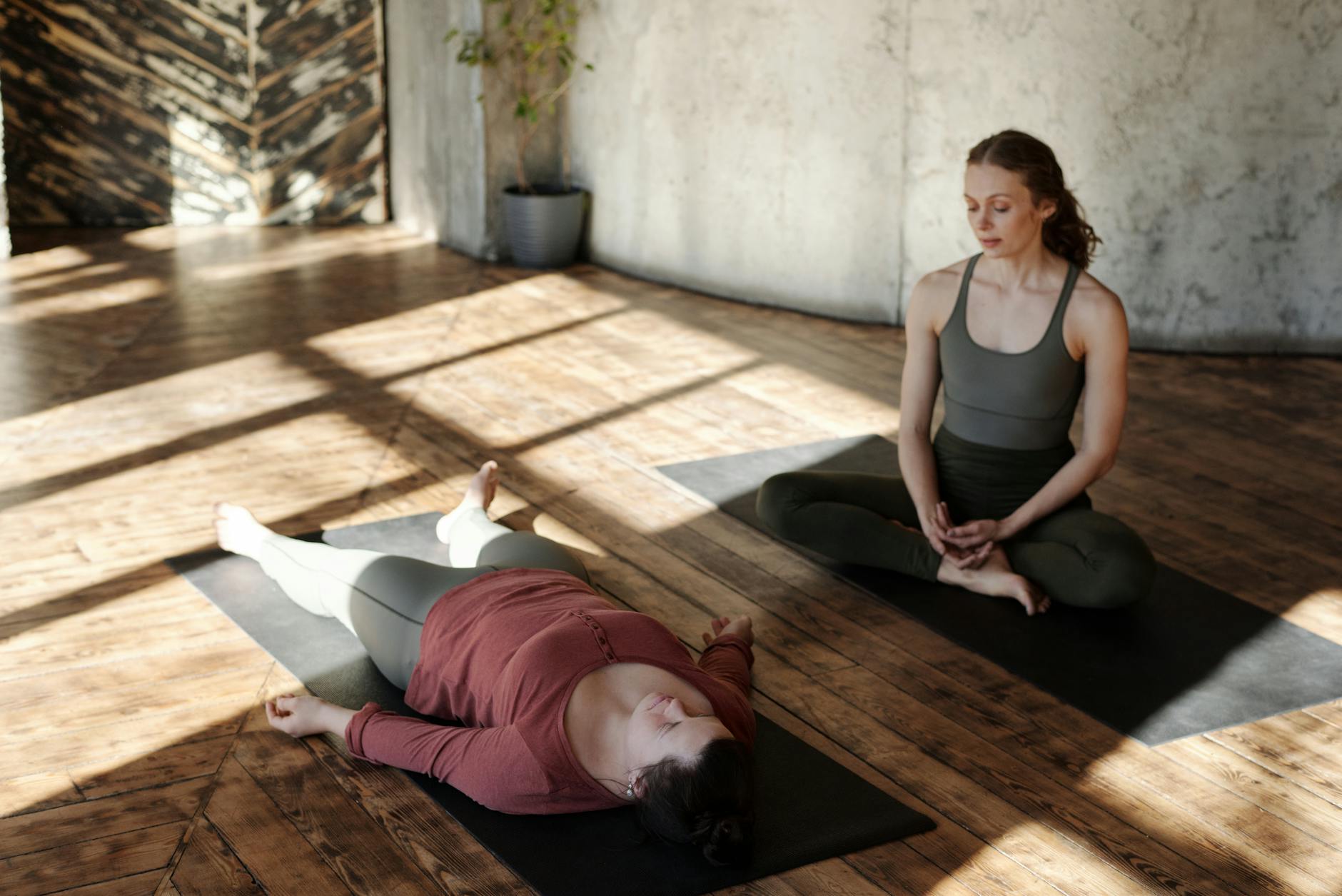
Yoga Nidra is a guided meditation technique that brings you into a state between wakefulness and sleep. In this deeply relaxed state, the body is completely at rest while the mind remains gently alert.
Unlike typical seated meditations, Yoga Nidra is practiced lying down in Savasana (corpse pose), fully supported and still. The practice guides your awareness through body, breath, emotions, and deeper levels of consciousness. The brain transitions from active beta waves to slower theta and delta waves — the same brainwave states associated with deep sleep and healing.
Why Yoga Nidra Works for Everyone
Yoga Nidra is accessible for all levels, all ages, and all bodies. There’s no need for experience or flexibility. Because the entire practice is guided, it’s a perfect entry point for newcomers.
Here are a few of its powerful benefits:
- 💤 Deep Rest: Just 30–45 minutes can feel as rejuvenating as a full night’s sleep.
- 🌿 Stress Reduction: Helps regulate the nervous system and lower cortisol levels.
- 😴 Better Sleep: Supports healthy sleep patterns and relaxation.
- 💖 Emotional Healing: Releases stored tension and unresolved emotions.
- 💡 Mental Clarity: Creates space for insight, creativity, and inner awareness.
What to Expect in a Typical Session
A Yoga Nidra practice typically lasts between 20 to 60 minutes. You’ll lie down in a supported position while the meditation guides you through stages such as:
- Sankalpa (Intention) – A personal affirmation or heartfelt goal.
- Body Scan – Rotating awareness through each part of the body.
- Breath Awareness – Deepening your connection with the breath.
- Sensation Awareness – Exploring opposites like hot/cold, light/heavy.
- Visualization – Symbolic or calming imagery to access deeper layers of mind.
- Returning Awareness – Gently coming back to the present moment, renewed.

Tips for Newcomers
- 🧘♀️ Set Up Your Nest: Use yoga props like a blanket, eye pillow, or bolster to make yourself as comfortable as possible.
- 🕯️ Eliminate Distractions: Choose a quiet space where you won’t be disturbed.
- 🌙 Let Go of Expectations: It’s okay if you fall asleep or drift — trust that your subconscious is still receiving the benefits.
- 🔄 Practice Regularly: The more you practice, the deeper the effects. Even once a week can make a big difference.
- 🎧 Try a Guided Audio: below is an audio yoga nidra video from my YouTube Channel for you to try
Final Thoughts
Yoga Nidra is more than a relaxation tool — it’s a sacred practice of conscious rest and deep self-healing. For those just starting their yoga or meditation journey, it’s one of the gentlest and most powerful tools available.
So the next time you feel frazzled, fatigued, or disconnected, remember: healing doesn’t always require doing more. Sometimes, the most powerful thing you can do is simply lie down, breathe, and let go.
✨ Ready to Try Yoga Nidra?
Explore a free guided recording from my YouTube Channel
Join me for a free weekly live session on Sundays (6:30pm MST)
Sign up below to get instant access to fresh content and calming practices delivered to your inbox: 👇
 Allison Lubben Yoga
Leave a comment