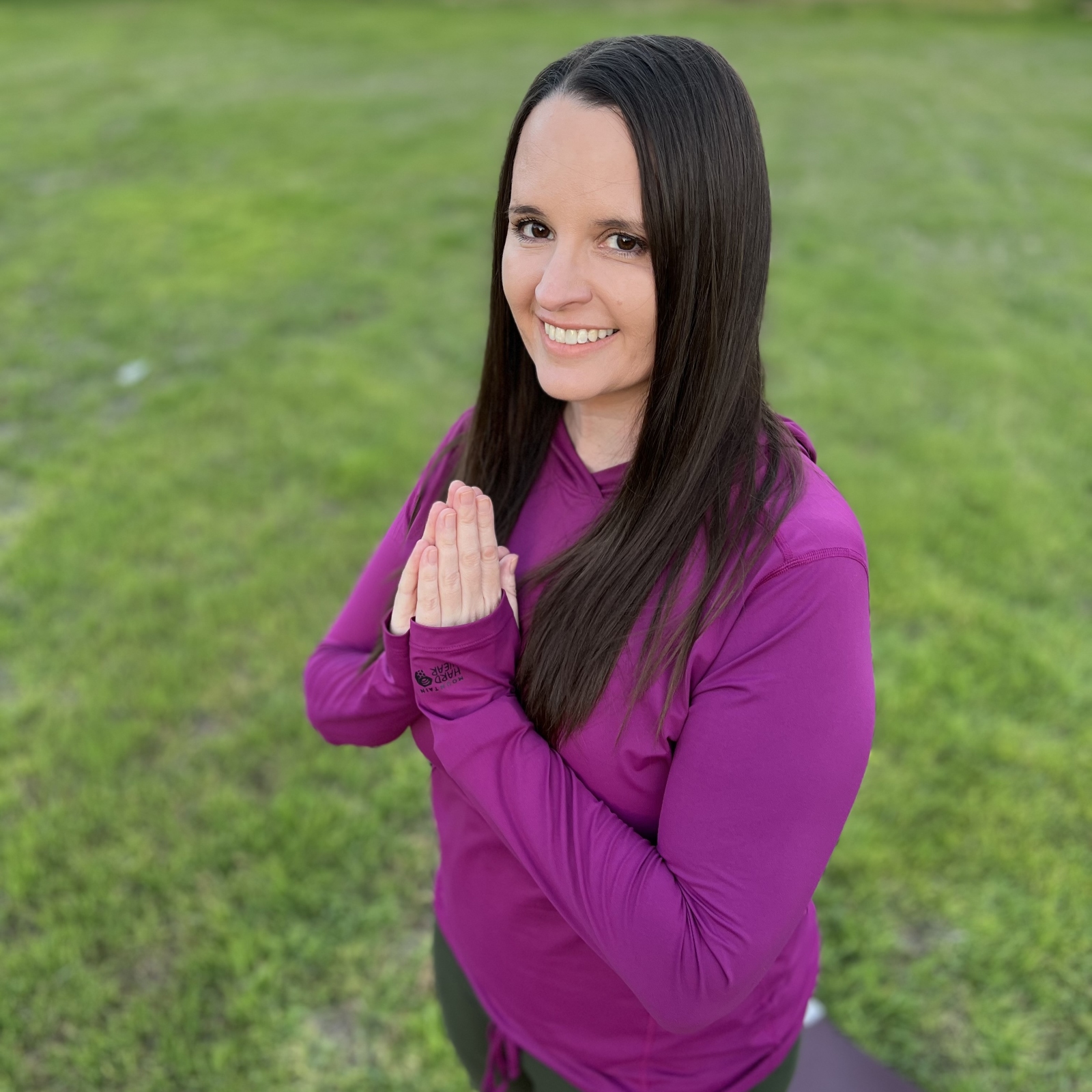
In today’s fast-paced world, slowing down can feel like a radical act. We are so used to moving quickly, multitasking, and striving for the next thing that the idea of stillness may seem unfamiliar—even uncomfortable. This is where Yin Yoga comes in. Unlike more active forms of yoga, Yin invites you to pause, breathe, and settle deeply into your body. If you’re curious about what Yin Yoga is and why it’s becoming a favorite for so many, this beginner’s guide will help you get started.
Below is a 30 Minute Yin Yoga session from my YouTube Channel.
What Is Yin Yoga?
Yin Yoga is a slow and meditative style of yoga that targets the deep connective tissues of the body—like fascia, ligaments, and joints—rather than focusing on muscles. It draws inspiration from Traditional Chinese Medicine and the Taoist concept of yin and yang, where yin is the cool, passive, and inward energy, and yang is the hot, active, and outward energy. In our predominantly yang lifestyles, Yin Yoga offers the essential balance of stillness and surrender.
Key Characteristics of Yin Yoga:
- Long-held postures (typically 3 to 5 minutes, sometimes longer)
- Mostly practiced seated or lying down
- Emphasis on stillness and breath awareness
- Targets hips, pelvis, lower spine, and shoulders
- Uses props to support the body (blocks, bolsters, blankets)
- Encourages a meditative mindset
The Benefits of Yin Yoga
While Yin might look passive from the outside, the internal experience can be profound. Here are just a few of the many benefits:
1. Improved Flexibility and Joint Health
By holding poses for several minutes, Yin Yoga gently stretches and strengthens the connective tissues, increasing range of motion and mobility over time.
2. Deep Relaxation and Stress Reduction
The stillness and extended breathwork help calm the nervous system, shifting you into the parasympathetic “rest and digest” state.
3. Mental Clarity and Emotional Balance
Spending quiet time in the body encourages self-inquiry, emotional release, and mindfulness. Yin is as much a practice for the heart and mind as it is for the body.
4. Better Sleep and Recovery
Practicing Yin Yoga, especially in the evening, can help promote deeper, more restorative sleep, making it a great choice for athletes, busy professionals, or anyone dealing with insomnia.
What to Expect in a Yin Class
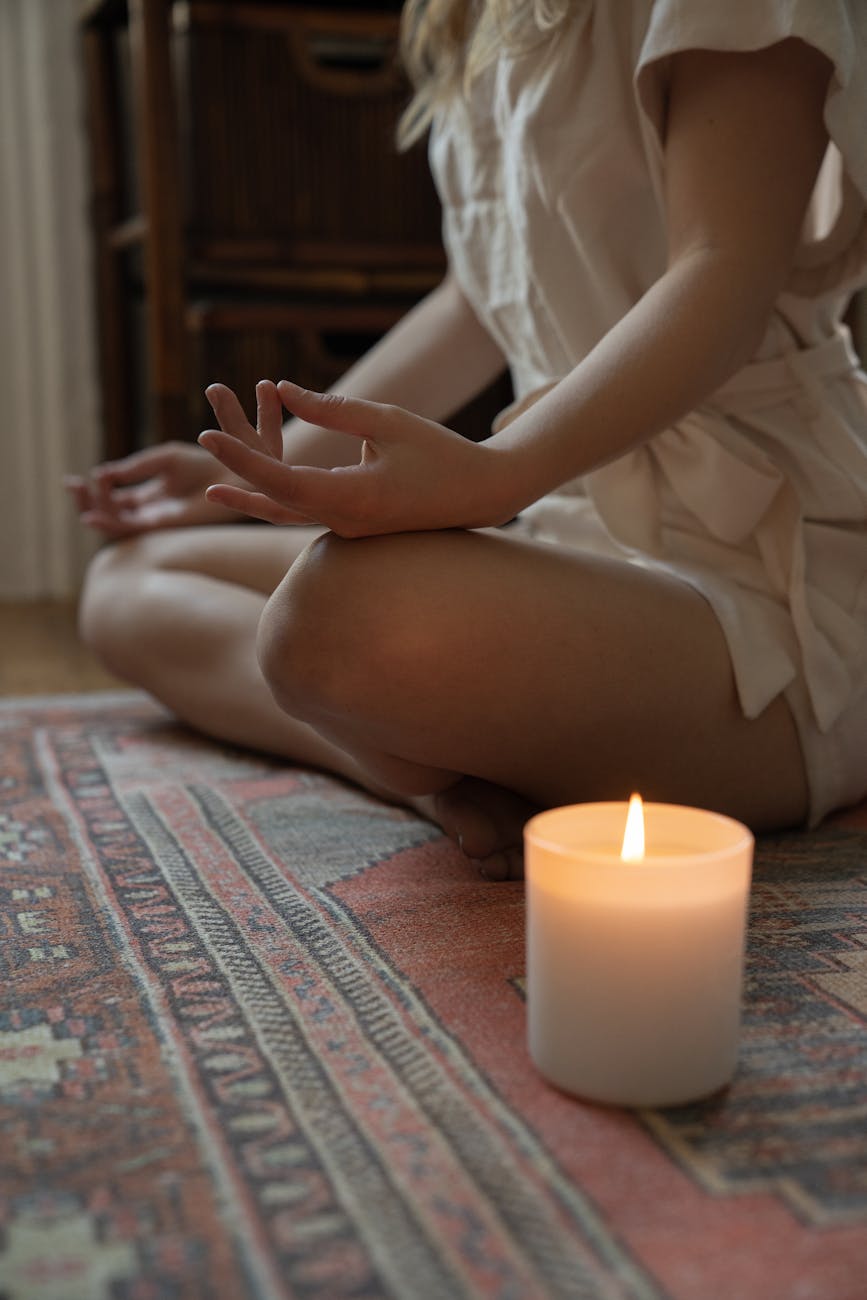
If you’ve never taken a Yin Yoga class, expect a gentle, slow-paced session. You might do just 5–8 poses in an hour. I will guide you into each posture, then invite you to settle in, let go of muscular effort, and become curious about whatever sensations arise. Unlike more active yoga styles where you’re constantly moving, in Yin, the practice is about staying, softening, and observing.
Don’t be surprised if your mind gets busy or your body feels restless at first. That’s normal! Yin Yoga is just as much about building inner resilience and presence as it is about flexibility.
Common Yin Yoga Poses for Beginners
Here are a few foundational yin yoga poses:
- Butterfly Pose (Baddha Konasana): A gentle hip opener.
- Caterpillar Pose (Seated Forward Fold): A stretch for the spine and hamstrings.
- Sphinx or Seal Pose: A backbend that targets the lower spine.
- Dragon Pose: A deep lunge that opens the hip flexors.
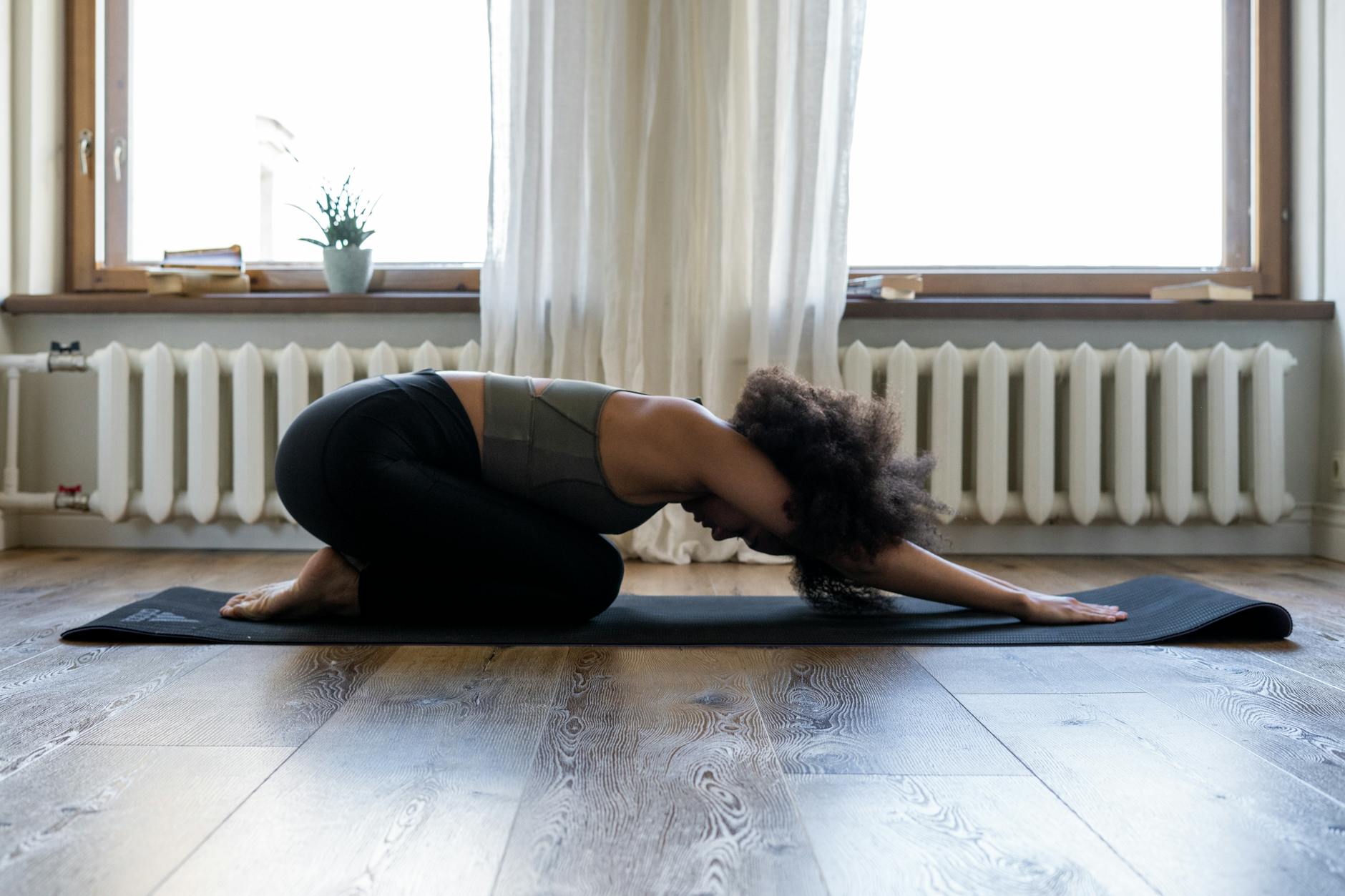
- Child’s Pose: A restful position that soothes the nervous system.
All of these poses can be modified with props. The goal isn’t to go deep, but to find your edge and then remain still without strain.
Tips for Your First Yin Practice
- Go Slow: Don’t push or force yourself into poses. Yin is about yielding.
- Use Props Generously: Support your body so you can fully relax.
- Stay Warm: Yin can be cooling, so dress in cozy layers.
- Breathe Deeply: Let your breath guide you into softness.
- Be Patient: It may take time to get used to the stillness. That’s okay.
Final Thoughts
Yin Yoga is an invitation to come home to yourself. In a world that often glorifies hustle, Yin reminds us of the wisdom in pausing, the medicine in stillness, and the strength in surrender. Whether you’re a total beginner or a seasoned yogi looking to slow down, this gentle yet powerful practice can offer deep healing for your body, mind, and spirit.
So unroll your mat, grab a few pillows or blankets, and give yourself permission to do less—so you can feel more. Your body and soul will thank you.
💛 Enjoyed this post?
✉️ Subscribe below to the blog for weekly inspiration
📺 Follow along on YouTube for beginner-friendly videos
🕊 Practice live with me on Insight Timer – let’s breathe together in real-time.
 Allison Lubben Yoga
Leave a comment